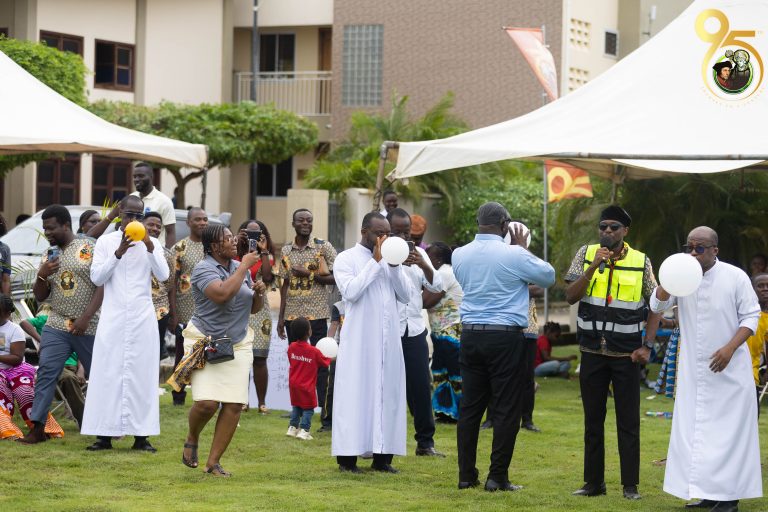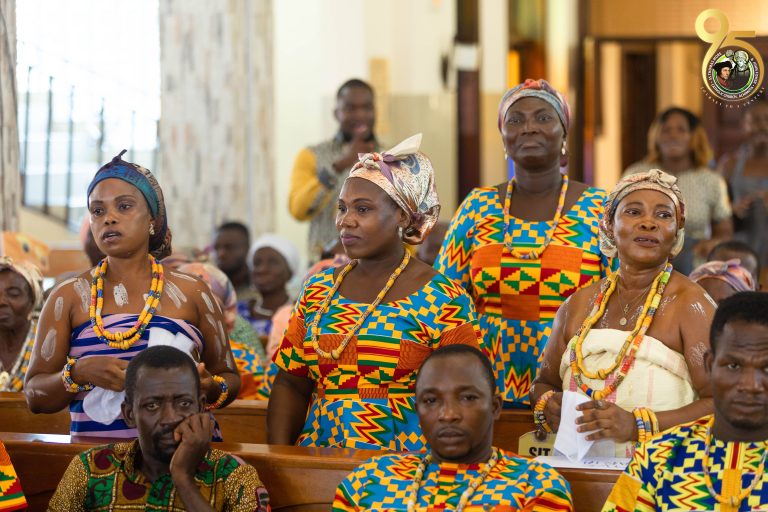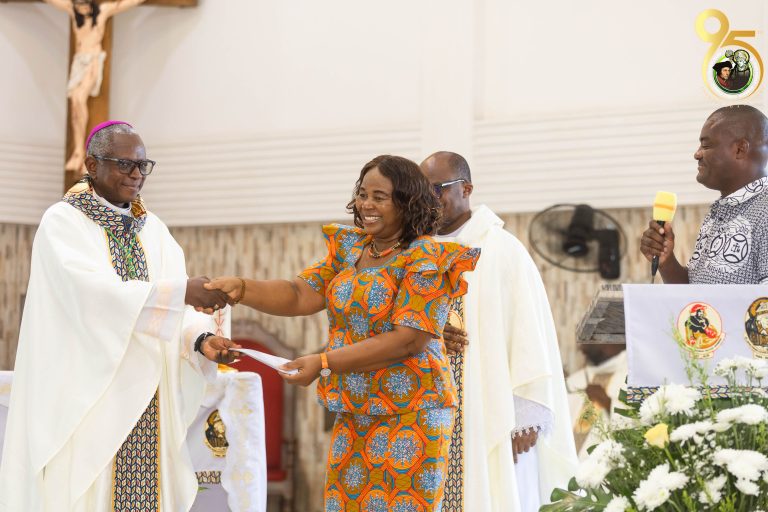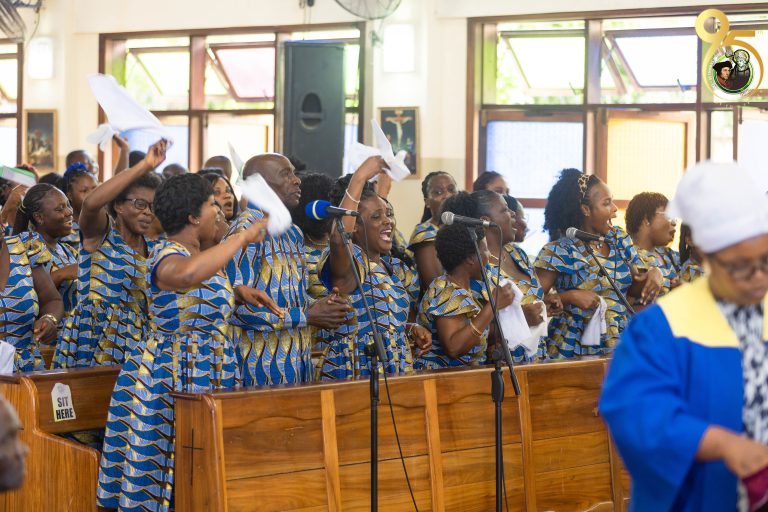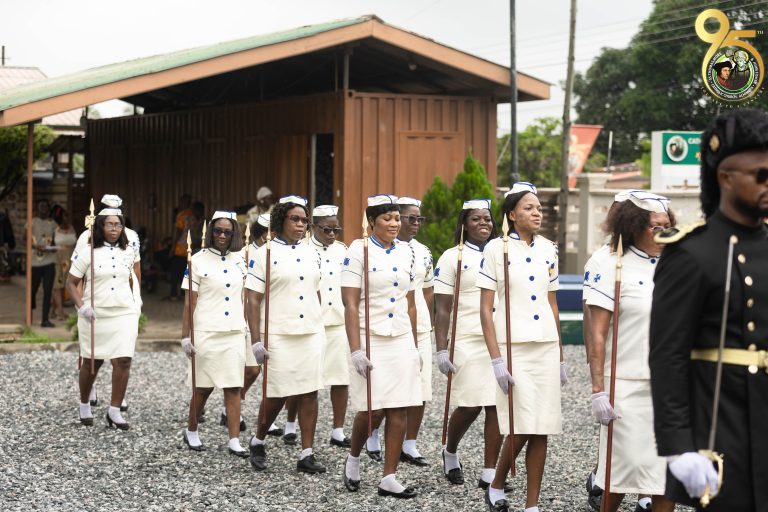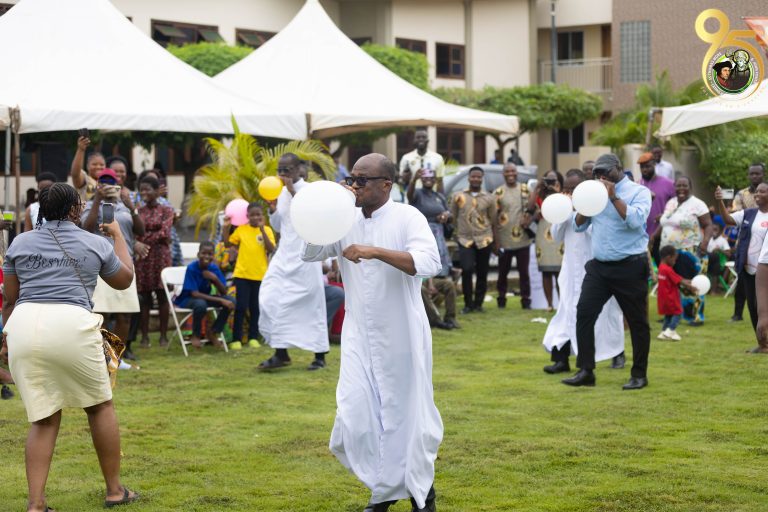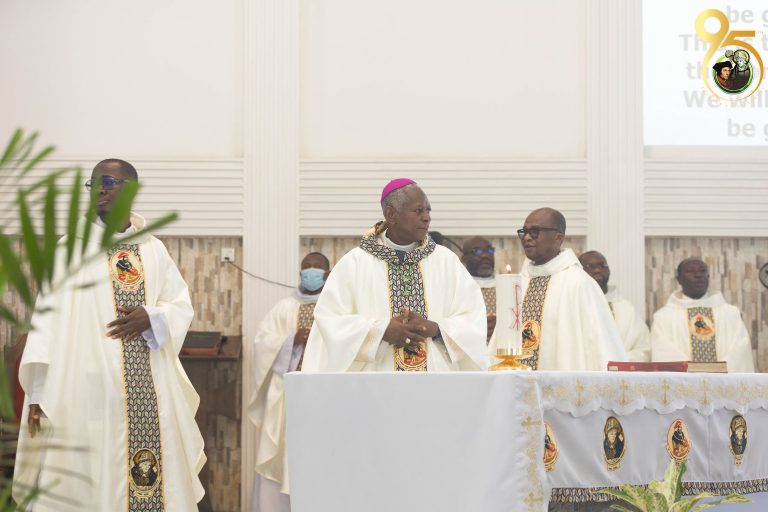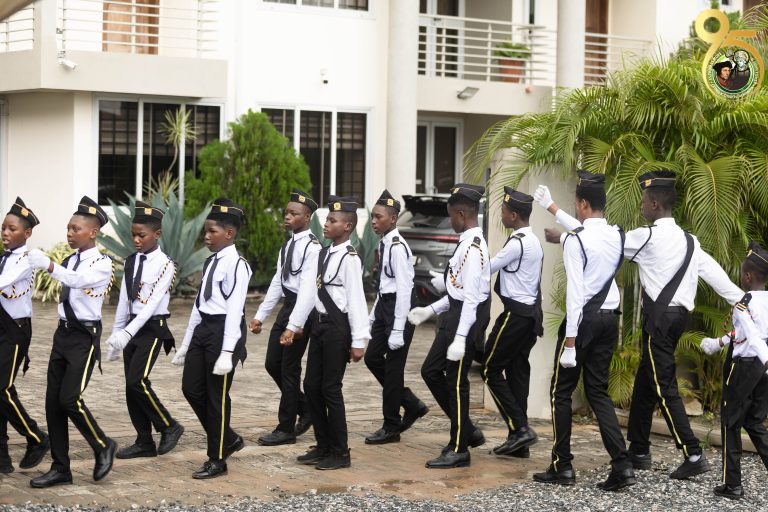

The only Twin Parish in the Accra Archdiocese

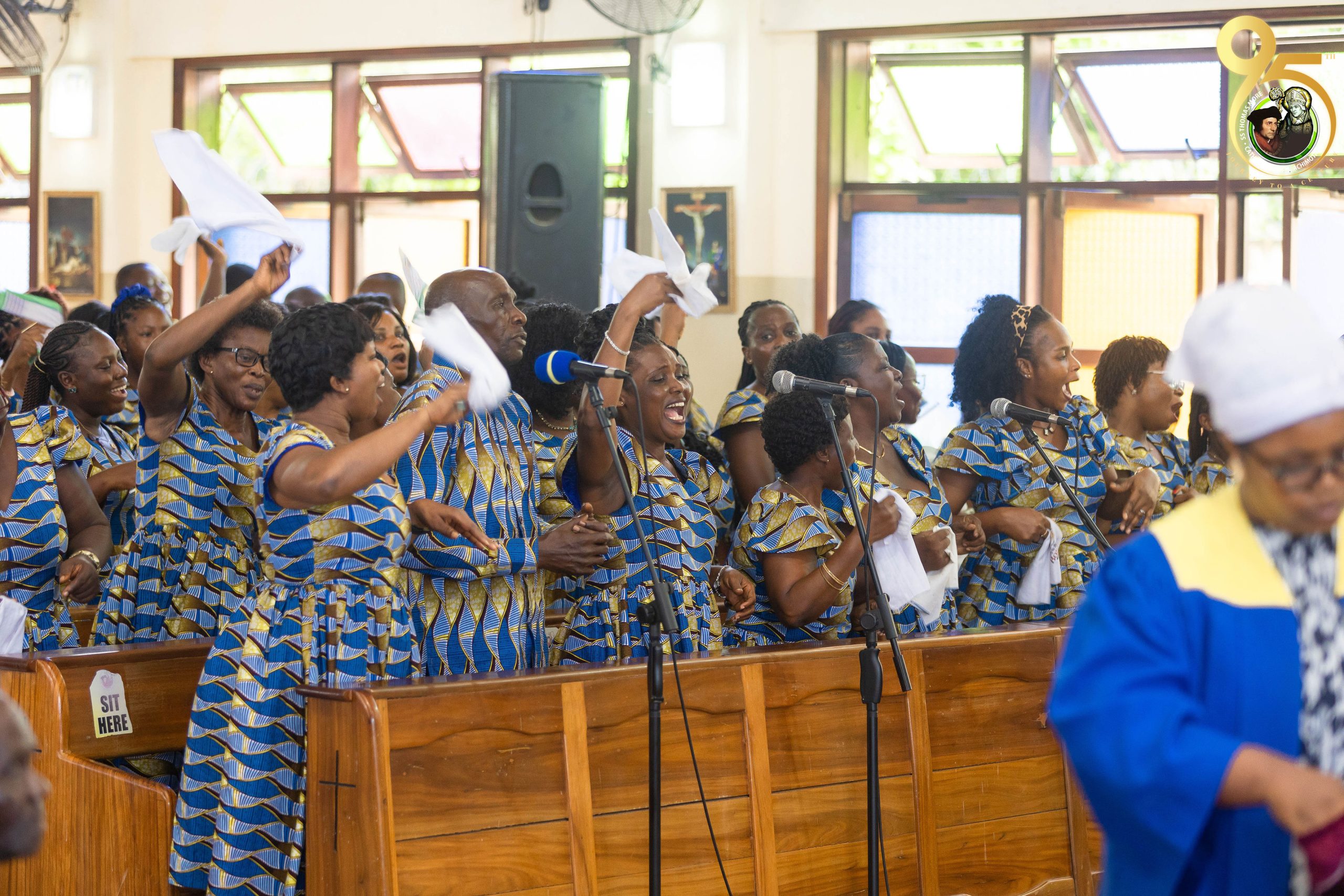
Welcome to the Official Website of SS. Thomas More and John Fisher Catholic Church, a vibrant, progressive Twin Catholic Community located at Achimota School and New Achimota respectively. Our people are Friendly, Open, Generous and Caring.

Years of Evangelism
0
Ordained Priests
0
Parishioners
0 +
Vibrant Communities
0

A Vibrant place of Faith, Worship, and Community

We love our Church dearly. There are many ways to participate and enrich your Faith in our Church.

The church administration is located at St. Thomas More Catholic Church (in Achimota School) as well as Ss Thomas More and John Fisher Catholic Church. We would like to take this opportunity to invite you home.

We will do all we can to help you Rediscover, Appreciate, Renew and Maintain your Catholic Identity.

Our Vision as a Church is....

To be a Parish Community that embodies the Love, Hope, and Teachings of Jesus Christ, fostering Spiritual Growth, Compassion, and Service, inspired by the examples of our Patrons, SS. Thomas More and John Fisher.

Theme for the year (2025)

Pilgrims of Hope: A Year of Discipleship

Romans 5:5

We remain dedicated to our Mission of...

Fostering a vibrant and Inclusive Catholic Community where Parishioners deepen their Relationship with Christ through Prayer, Sacraments, and Fellowship. We strive to provide Spiritual Growth, Lifelong Learning, and Active Service, guided by Compassion and Stewardship, to meet the needs of our Parish Family and our Broader Community.

Join us for Mass

We warmly welcome you to join us for Mass and experience the beauty of our Liturgical Celebrations. Our Schedule is designed to serve the diverse needs of our Community.

St Thomas More Catholic Church, Achimota

Sunday Mass Schedule

First Mass: 7:00 am - 9:00 am

Second Mass: 9:30 am – 11:30 am

SS Thomas More and John Fisher Catholic Church, New Achimota

Sunday Mass Schedule

First Mass : 6:30 am - 8:30 am

Second Mass: 9:30 am – 11:30 am

Bible Readings for the Week

Genesis 3:9-15, 20; Psalms 98:1, 2-3, 3-4; Ephesians 1:3-6, 11-12; Luke 1:26-38

Isaiah 40:1-11; Psalms 96:1-2, 3, 10, 11-12, 13; Matthew 18:12-14

Isaiah 40:25-31; Psalms 103:1-2, 3-4, 8, 10; Matthew 11:28-30

Isaiah 41:13-20; Psalms 145:1, 9, 10-11, 12-13; Matthew 11:11-15

Isaiah 7:10-14; Second Samuel 2:1, 4-8; Luke 1:39-47

Sirach 48:1-4, 9-11; Psalms 80:2-3, 15-16, 18-19; Matthew 17:10-13

pexels-tima-miroshnichenko-5199816

Societies and Communities

Here at SS Thomas More and John Catholic Church, we value the power of Fellowship and Community.

Parishioners have the chance to develop their Faith, help others, and create enduring bonds in our diverse Church Community.

There is a Society or Community for you whether you want to connect with like-minded people, take part in social projects, or deepen your beliefs.

Become a member of our active Parish Community by joining a Society or a community today. Please get in touch with the Parish Office to join a Society or Community.

Meet our Pastoral Staff

Rev Fr Patrick Agbeko

Parish Priest

Rev Fr Clement Quagraine

Assistant Priest

Rev Fr Evans Halolo

Pastoral Assistant

Our Upcoming Events

There are currently no events.

Gallery

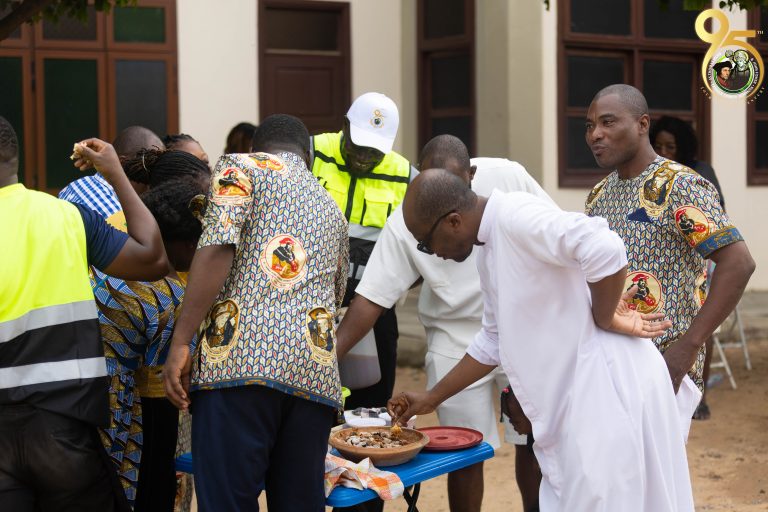
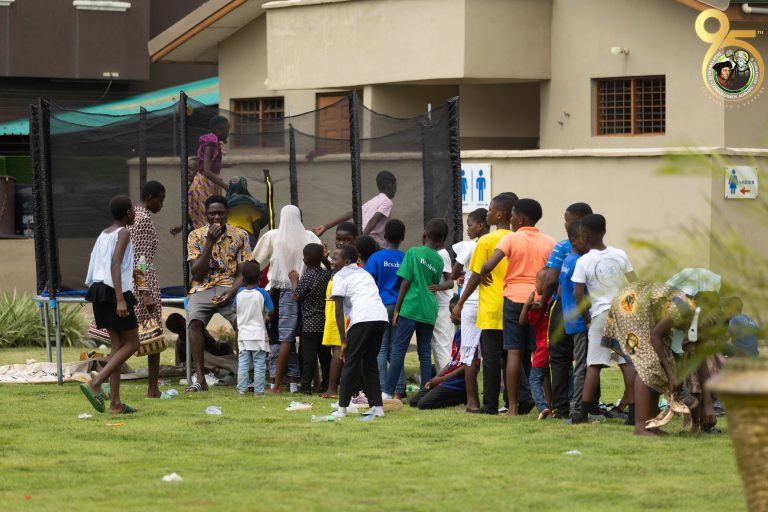
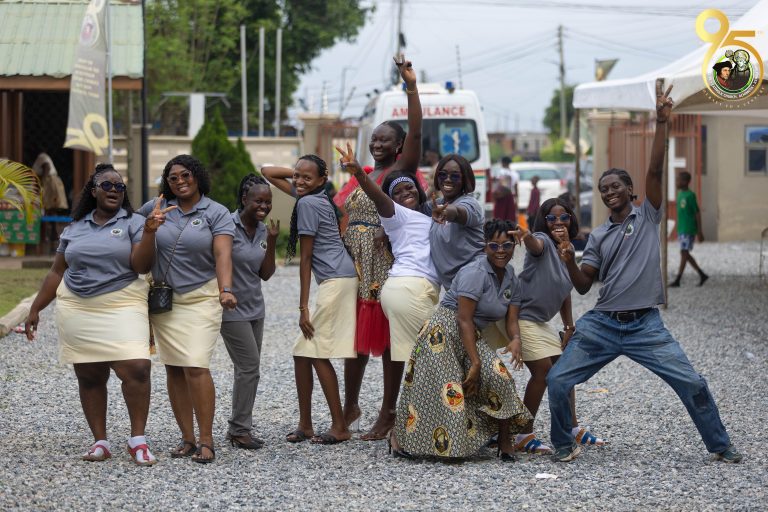
Experience our Parish Life through our Pictures

Contact us

Have a Question? Get in Touch

About our Catholic Faith

Frequently Asked Questions


No, Catholics do not worship Mary. Worship is reserved for God alone, as seen in Exodus
20:3-5 and Matthew 4:10. However, Catholics honor Mary as the Mother of God and ask for
her intercession, just as you would ask a friend to pray for you. In Luke 1:28, the angel Gabriel
greets Mary with, “Hail, full of grace, the Lord is with you!” She is also called “blessed among
women” by Elizabeth in Luke 1:42. In Luke 1:48, Mary herself declares, “All generations will
call me blessed.”
Catholics believe that since Mary was chosen to bring Jesus into the world, she has a special
role in leading people to Him. This is seen at the Wedding at Cana in John 2:1-11, where Mary
intercedes for the wedding guests, prompting Jesus to perform His first miracle. Asking Mary
to pray for us does not mean worshiping her – just as asking a friend to pray for us does not
mean worshiping that friend.

Catholics confess their sins to a priest because Jesus gave His apostles the authority to forgive
sins, as seen in John 20:22-23. After His resurrection, Jesus breathed on the apostles and said,
“Receive the Holy Spirit. If you forgive the sins of any, they are forgiven them; if you retain
the sins of any, they are retained.” This authority was passed down through the Church.
Confession is also supported in James 5:16, which says, “Confess your sins to one another and
pray for one another, that you may be healed.” The priest acts in the person of Christ (in
persona Christi) when hearing confessions, offering God’s forgiveness and grace. Even in the
Old Testament, God commanded people to confess their sins to a priest and make atonement
(Leviticus 5:5-6). Through the sacrament of Confession, Catholics receive both spiritual
healing and accountability, helping them grow closer to God.

Catholics obey the Pope because they believe he is the successor of St. Peter, whom Jesus gave
authority over His Church. In Matthew 16:18-19, Jesus said to Peter, “You are Peter, and on
this rock, I will build my Church… I will give you the keys of the kingdom of heaven; whatever
you bind on earth shall be bound in heaven, and whatever you loose on earth shall be loosed
in heaven.” This authority was unique to Peter and passed down to his successors.
In Luke 22:31-32, Jesus prayed specifically for Peter, saying, “Simon, Simon, behold, Satan
has demanded to sift all of you like wheat, but I have prayed that your own faith may not
fail; and once you have turned back, strengthen your brothers.” After His resurrection, Jesus
commanded Peter three times to “Feed my sheep” (John 21:15-17), confirming his leadership
over the Church.
The Pope is not worshiped or seen as perfect, but as the visible head of the Church on earth,
safeguarding unity and guiding Catholics in faith and morals. Just as nations have leaders for
order and guidance, the Church has a spiritual leader to ensure continuity with the teachings
of Christ.

Scroll to Top